
If you’re staring up at a bumpy, textured ceiling and wondering what it would cost to finally get rid of it, you’re not alone. Popcorn ceilings were popular from the 1950s through the 1980s, but today’s homeowners are removing them by the thousands — and for good reason. They look dated, collect dust, and can make a home harder to sell.
This guide breaks down everything you need to know about popcorn ceiling removal costs in 2026, including what factors affect the price, what to expect from the process, and when it makes sense to hire a professional.
Average Popcorn Ceiling Removal Cost
The national average cost for professional popcorn ceiling removal falls between $1 and $2 per square foot, though the total price for a full project can range widely depending on the size of your home and the complexity of the job.
Here’s a quick breakdown by room size:
| Room Size | Estimated Cost |
|---|---|
| Small bedroom (~120 sq ft) | $120 – $240 |
| Master bedroom (~200 sq ft) | $200 – $400 |
| Living room (~300 sq ft) | $300 – $600 |
| Full home (~1,500 sq ft of ceiling) | $1,500 – $3,000+ |
Keep in mind these are ballpark figures. Your actual quote may be higher or lower based on the factors covered below.
What Factors Affect the Cost?
1. Square Footage
This is the biggest driver of cost. Contractors typically charge by the square foot, so a larger home means a larger bill. However, you may get a slightly better per-square-foot rate on larger jobs since setup time and travel are spread over more work.
2. Asbestos Testing
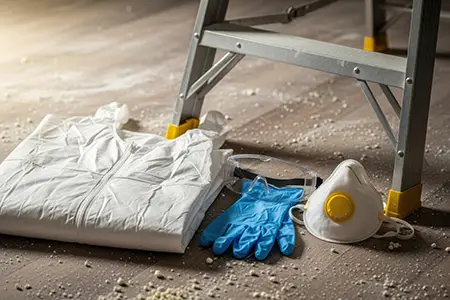
If your home was built before 1978, there’s a real chance your popcorn ceiling contains asbestos — a fibrous mineral that was mixed into texture compounds before it was banned. Before any removal work begins, the ceiling should be tested.
Asbestos testing typically costs $25 to $75 per sample. If asbestos is found, removal becomes a hazmat job requiring licensed abatement professionals and can cost $3 to $7 per square foot. Skipping this step is never worth the health risk.
3. Ceiling Height
Standard 8-foot ceilings are the easiest to work with. Vaulted ceilings, cathedral ceilings, or anything above 10 feet requires taller scaffolding or ladders and takes longer — both of which increase labor costs.
4. Re-Texturing or Painting After Removal
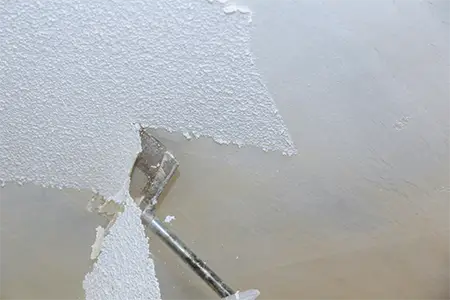
Once the popcorn is scraped off, you’re often left with a rough, uneven surface that needs to be skimmed, sanded, primed, and painted before it looks finished. This finishing work is usually not included in the base removal quote, so always ask upfront what’s covered.
Skim coating and repainting typically adds $1 to $3 per square foot to the total project cost.
5. Furniture and Prep Work
Some contractors include furniture moving and masking/plastic sheeting in their quote; others charge extra. Scraping a ceiling is messy work — all furniture, flooring, and trim needs to be protected. Clarify this before signing anything.
DIY vs. Hiring a Professional
Popcorn ceiling removal is technically a DIY-friendly project if the texture does not contain asbestos. You’ll need a spray bottle with water, a wide putty knife or ceiling scraper, plastic sheeting, and patience. It’s messy and physically demanding — you’ll be working overhead for hours — but the material cost is minimal.
However, there are good reasons to hire a pro:
- Speed. A crew can knock out an entire home in a day or two. DIY can stretch over several weekends.
- Finish quality. Getting a smooth, paintable ceiling after removal requires skim coating skill. Most homeowners underestimate how hard this is.
- Asbestos safety. If there’s any chance of asbestos, this is not a DIY project. Full stop.
- Less mess. Professionals come with proper containment systems, minimizing the cleanup burden on you.
The Popcorn Ceiling Removal Process
Here’s what to expect when you hire a professional painting and restoration company:
Is It Worth It?
For most homeowners, absolutely yes. Here’s why:
- Home value. Smooth ceilings are a selling point. Buyers often view popcorn ceilings as a red flag or negotiate the price down to account for removal.
- Cleanliness. Textured ceilings trap dust, cobwebs, and allergens. Smooth ceilings are far easier to clean.
- Aesthetics. Removing popcorn ceilings instantly modernizes a room, especially when paired with fresh paint.
- Lighting. Smooth ceilings reflect light more evenly, making rooms feel brighter and larger.
If you’re planning to sell your home in the next few years, popcorn ceiling removal is one of the highest-ROI updates you can make — especially in the Carolinas where buyers expect move-in-ready interiors.
Get a Free Popcorn Ceiling Removal Quote
Serving Gastonia, Belmont, Shelby, Charlotte, and surrounding NC communities. We’ll assess your ceilings, let you know if testing is needed, and give you a clear, honest quote.
Request a Free Estimate
Or call us at (704) 870-7600 — available 7 days a week, 7am–7pm