
It can be frustrating to see paint peeling off the wall and ceiling, especially because it can quickly make your home look older and neglected, regardless of how well you maintain it. Here, we’ll look at the common reasons causing this issue, the steps you can take to fix it, and how to prevent it from recurring.
What Causes Paint Peeling Off?
When a coat of paint is applied to walls and ceilings, it’s supposed to form a durable bond with these surfaces. So any sign of paint lifting, separating, or flaking away points to an underlying issue affecting or weakening this bond.
Unfortunately, paint peeling off plaster is a very common problem affecting not just homes but also office buildings and other structures. While it does make walls and ceilings look very unsightly, it’s often more than just a cosmetic problem: without the protective paint, the wall underneath can become prone to damage, too.
Based on experience, it takes more than painting over them to resolve the issue. That’s why discovering the reasons for peeling first before treating them is essential, especially if you want your latest coating of paint to last longer this time around.
Causes of Paint Failure
If you’ve ever asked yourself, “Why is my paint peeling?,” know that you’re not alone. Paint can curl away from walls and ceilings without 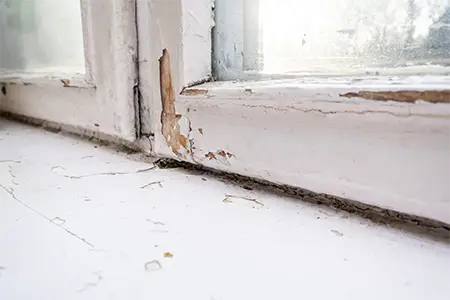 warning, and more often than not, this means the underlying issue has been present for some time.
Typically, the reason can be any of the following: moisture, poor surface preparation, problems with the paint products used, and aging finishes.
-
Moisture Issues
In most cases, moisture trapped behind the paint is the main culprit behind peeling.
Water in the form of condensation, leaks, or high humidity can seep through walls or ceilings, causing the bond between paint and the surface to deteriorate and leading to the paint bulging or peeling off.
That’s why paint peeling in the bathroom, kitchen, or laundry is very common, as these are considered high-humidity areas. If you’re experiencing bathroom ceiling paint peeling, you likely need to identify the source of moisture and address it as soon as possible so the issue does not recur.
-
Poor Surface Preparation
As professionals know, walls need to be properly prepped and primed to provide a stable surface for paint to grip and ensure proper adhesion. This includes cleaning, sanding, and priming the walls even before the first coat of paint is applied.
Painting over a dirty surface or failing to apply primer when necessary may eventually cause paint to peel off the wall.
-
Incompatible Paint Products
Not all paints are created equal, and you can’t use just one type for all projects. Oil and water don’t mix, so using water-based latex paint directly over an oil-based layer without primer in between is basically setting the paint job to fail.
Also, consider the type of surface you’re working with. Working with oil-rich woods, drywall, or plaster requires a different type of paint for each to ensure longer-lasting results.
If you’re planning to fix your walls, it’s important to know the existing paint type and the material you’re painting over. This will help you choose the proper products to prevent poor adhesion.
-
Too Many Layers of Paint
If you’ve painted over a surface too many times, the layers will eventually become too heavy, leading to separation between them. This is especially true when paint peels off the ceiling, since the lower layers can no longer support the weight above them. This can cause cracks and bubbles to form or layers to detach when disturbed.
-
Expired or Degraded Paint
That old can of paint in the garage might still look usable, but it may not give you the results you want. Paint can break down over time, especially after the can has already been opened. It may become too thick or lose the ability to bond well to the surface. When that happens, the paint is more likely to peel sooner than expected.
-
Aging Finishes
Sometimes, peeling has less to do with a bad paint job and more to do with age. Paint naturally wears down after years of sunlight, moisture, cleaning, and everyday use. As the finish ages, it can become brittle and crack or lift. When this happens, the wall may simply be ready for a fresh coat.
How to Fix Paint Peeling off Wall
How do I fix peeling paint on ceiling or wall? Below are the steps you should take, especially if you’re planning to DIY this project: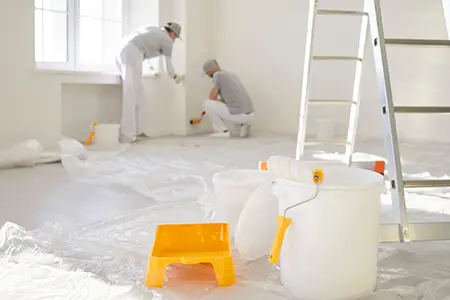
- Prepare the room by removing any fixtures on the wall to be painted, and cover nearby furniture with drop sheets or cloth so it won’t get splashed with paint.
- Remove any loose or peeling paint using a scraper or wire brush.
- Check for any cracks, holes, or damage on the wall, then fill them in until the surface is smooth and even.
- Sand the walls using sandpaper.
- Clean the walls using a sponge or a microfiber wipe and a water-and-mild-soap solution.
- Make sure the walls are completely dry before applying primer.
- After the primer has dried properly, apply paint.
As always, make sure you’re wearing gloves, a mask, and protective eyewear during the process, especially during sanding.
How to Prevent Paint Peeling Off Wall
These are the steps you can take to prevent the issue from becoming a recurring problem. Below are our suggestions:
- Address moisture problems immediately. Look for sources of leaks, use dehumidifiers in high-humidity areas, and/or install exhaust fans in kitchens and bathrooms to draw moisture away from these high-traffic areas.
- Always prep walls correctly. Clean and prime them well before repainting.
- Choose compatible paint products for your projects. Consider the existing paint type and material you’re working with before buying anything.
- As much as possible, refrain from using old or expired paint.
- Apply thin coats to prevent thick layers of paint, particularly on the ceiling.
- If you’re unsure about what’s causing the issue and how to address it, always consult a professional for advice.
Dealing With Paint Peeling Issues? We’re Here to Help
If you’re experiencing paint peeling off the wall like skin in your home, know that we can help.
If you’re in the North Carolina area, particularly in Gastonia, Belmont, Shelby, and Charlotte, you can contact our team at (704) 870-7600 or online for a free quote or professional advice.
Our interior residential painting services cover walls and ceilings, delivering professional-looking finishes that withstand everyday use. We’ll refresh the look and feel of your home in no time.