
Your home’s exterior paint does more than make the house look good — it protects the siding, wood trim, and structural materials from moisture, UV damage, and the elements. When that paint starts to fail, the problems go deeper than aesthetics.
So how long should you realistically expect exterior paint to last? And how do you know when it’s time to call a painter? Here’s everything you need to know.
How Long Does Exterior Paint Last?
The short answer: most exterior paint jobs last between 5 and 15 years, but the actual lifespan varies significantly based on the surface material, paint quality, climate, and how well the surface was prepared before painting.
| Surface Type | Average Paint Lifespan |
|---|---|
| Wood siding | 3–7 years |
| Aluminum siding | 5–10 years |
| Fiber cement siding | 10–15 years |
| Stucco | 5–10 years |
| Brick (painted) | 8–15 years |
| Trim and doors | 4–7 years |
Wood surfaces tend to need repainting more frequently because they expand and contract with temperature and humidity changes, stressing the paint film over time. Fiber cement and masonry surfaces are more stable and hold paint longer.
How North Carolina’s Climate Affects Paint Longevity
If you live in the Gastonia, Charlotte, or Shelby area, the local climate is actively working against your exterior paint. Here’s why:
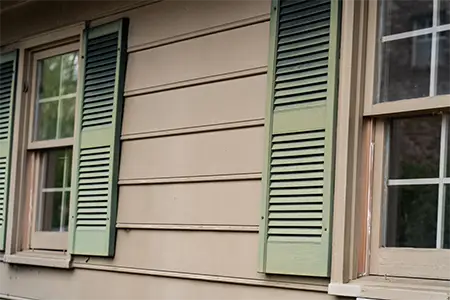
Homeowners in the Charlotte metro area often find their exterior paint needs attention on the shorter end of the typical lifespan — especially on wood surfaces and trim — due to the combination of heat, humidity, and seasonal pollen.
Heat and UV Exposure
The Carolinas get plenty of direct sunlight, especially on south- and west-facing walls. UV rays break down paint binders over time, causing fading and chalking — that powdery residue you can wipe off with a finger.
Humidity
North Carolina summers are humid, and moisture is one of paint’s biggest enemies. High humidity can cause paint to blister, peel, and allow mildew to form on the surface. Homes with poor ventilation or shaded areas that stay damp are especially vulnerable.
Temperature Swings
While NC doesn’t get the extreme cold of northern states, daily and seasonal temperature variations still cause siding materials to expand and contract, stressing the paint over time.
Pollen and Organic Matter
The Southeast’s heavy pollen seasons and tree canopy mean more organic buildup on painted surfaces, which can trap moisture and degrade paint faster.
7 Signs It’s Time to Repaint Your Home’s Exterior
Don’t wait until paint is falling off in sheets. Catching the warning signs early can save you from much more expensive repairs down the road.
1. Peeling or Flaking Paint
When paint peels, it’s losing its bond with the surface — usually due to moisture intrusion or paint that has reached the end of its life. Left untreated, exposed wood or siding can begin to rot.
2. Fading and Chalking
Significant color loss or a chalky, powdery residue when you run your hand across the surface means the paint’s protective resins are breaking down.
3. Cracking or Hairline Cracks
Small cracks allow water to get behind the coating, leading to bubbling, swelling, and eventually wood rot. Horizontal cracks on siding boards are particularly worth addressing quickly.
4. Mildew or Mold Growth
Dark spots or a greenish tinge on your siding indicates mildew or algae growth. Common in shaded areas, mildew can eat into the surface and accelerate paint failure.
5. Bubbling or Blistering
Blisters under the paint surface almost always signal a moisture problem — either trapped in the substrate or getting in from outside. Both the paint and the moisture source need to be addressed.
6. Failed Caulk
Cracked or missing caulk around windows, doors, and trim creates gaps that let water behind your siding. Caulk failure and repaint typically go hand in hand.
7. Your Home Just Looks Tired
Sometimes there’s no dramatic damage — the paint just looks worn, dull, and dated. Curb appeal matters for your own enjoyment and for resale value. A fresh coat of exterior paint is one of the highest-ROI home improvements you can make.
How to Extend the Life of Your Exterior Paint
A quality paint job costs money. Here’s how to protect that investment:
- Pressure wash annually. Removing dirt, pollen, and mildew buildup keeps the paint surface clean and can add years to the life of your job.
- Keep gutters clean and functional. Overflowing gutters dump water directly onto your siding. Clean gutters at least twice a year.
- Trim back vegetation. Shrubs, vines, and tree branches that touch your siding hold moisture against the surface. Keep plants trimmed back at least a foot from the house.
- Address wood rot quickly. Rotted wood can’t hold paint. If you find soft, spongy areas in your trim or siding, repair or replace before repainting.
- Choose quality paint. Premium paints with higher resin content and UV inhibitors genuinely last longer. The extra cost upfront pays off over the life of the job.
When to Call a Professional
If you’re seeing multiple warning signs, or if it’s been more than 7–10 years since the last paint job, it’s worth having a professional take a look. A good exterior painter won’t just slap paint over a failing surface — they’ll assess the condition, address underlying issues like wood rot or failing caulk, properly prepare the surface, and apply paint that will last.
Cutting corners on surface prep is the number one reason exterior paint jobs fail prematurely. Professional painters know that 70% of a good paint job is in the preparation — that’s where the durability comes from.
Free Exterior Paint Assessment
Not sure if your home needs a repaint? We’ll come take a look and give you an honest assessment — no pressure, no obligation. Serving Gastonia, Belmont, Shelby, Charlotte, and surrounding NC communities.
Schedule a Free Estimate
Or call us at (704) 870-7600 — available 7 days a week, 7am–7pm