After 11 years of painting homes throughout Charlotte and the surrounding areas, we can confidently say this: weather is one of the biggest factors in how long a paint job lasts.
Paint is not just about color. It is a protective coating that shields your home from heat, moisture, sunlight, and seasonal changes. In Charlotte’s climate, those elements can be intense. From what we have seen over the years, understanding how local weather affects your paint is the difference between a job that lasts five years and one that lasts twelve or more.
Here is what our experience has taught us.
Charlotte Heat Is Harder on Paint Than Most Homeowners Realize
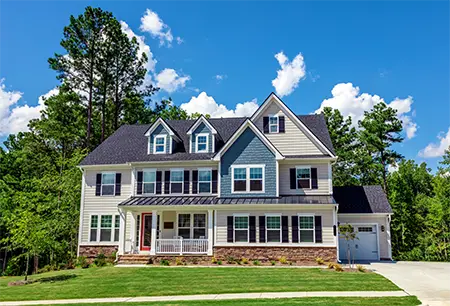
Summers in Charlotte are hot. Air temperatures in the 90s are common, but what many homeowners do not realize is how hot siding actually gets. In our experience, surfaces in direct sunlight can easily exceed 120 degrees.
When paint is applied to overheated siding, it can dry too quickly. From what we have seen, this rapid drying prevents proper leveling and bonding. The result can be visible lap marks, uneven sheen, or in more severe cases, blistering.
That is why we schedule exterior work strategically. We work around the sun, paint shaded elevations first, and avoid the hottest parts of the day. Timing matters more than most people think.
Humidity Is One of Charlotte’s Biggest Challenges
If there is one thing that consistently affects paint performance in Charlotte, it is humidity.
Paint does not just dry. It cures. High humidity slows evaporation and can interfere with proper film formation. In our experience, painting when humidity is too high increases the risk of peeling and premature failure.
We have seen homes where paint looked fine initially but began bubbling within a year because moisture was trapped beneath the surface. That almost always traces back to improper conditions at the time of application.
Before painting, we always make sure surfaces are completely dry and we monitor humidity levels closely. This is especially important after summer thunderstorms, which are common in the Charlotte area.
Spring Pollen Causes More Problems Than You Might Expect
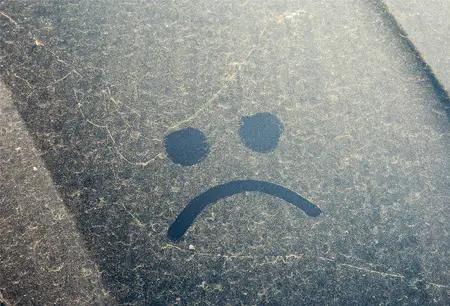
Anyone who lives in Charlotte knows how intense pollen season can be. That yellow layer on your siding is not harmless when it comes to painting.
From what we have seen over the years, one of the most common causes of early paint failure is inadequate cleaning during
pollen season. If siding is not thoroughly washed, paint may adhere to pollen instead of the actual surface.
In our experience, pressure washing and proper surface preparation are absolutely critical in the spring. Skipping or rushing this step shortens the life of the paint job significantly.
Heavy Rain and Moisture Exposure
Charlotte receives steady rainfall throughout the year, with stronger storms in spring and summer. Moisture is the primary enemy of exterior paint.
We have seen what happens when paint is applied and a storm rolls in before it has properly cured. Even if the damage is not immediately visible, moisture intrusion weakens the bond over time.
Long term, repeated wet and dry cycles cause siding to expand and contract. From our experience, lower quality paints cannot handle that movement and eventually begin cracking or peeling.
Choosing flexible, high quality exterior coatings makes a major difference in how well your paint withstands Charlotte’s weather patterns.
Ultraviolet Exposure and Fading
Charlotte gets strong sun for much of the year. Ultraviolet rays break down paint binders, leading to fading and chalking over time.
From what we have seen, south and west facing sides of homes show wear first. Dark colors tend to fade faster because they absorb more heat.
In our experience, investing in premium exterior paint with strong UV resistance is worth it. It maintains color longer and slows the breakdown process significantly.
Winter Temperature Swings Still Matter

While Charlotte winters are relatively mild, we do see freezing temperatures and fluctuating conditions. Materials like wood and vinyl expand and contract as temperatures shift.
We have seen paint crack on homes where lower quality products were used and could not accommodate movement. Flexible, modern acrylic coatings perform much better in our climate because they expand and contract with the surface.
The Best Time to Paint in Charlotte
After more than a decade of working in this area, we have found that the most reliable times for exterior painting are late spring after heavy pollen subsides and early fall when temperatures are moderate.
Ideal conditions typically fall between 50 and 85 degrees with manageable humidity. Avoiding peak summer heat and unpredictable storm patterns improves both adhesion and curing.
From what we have seen, timing is just as important as product selection.
Why Local Experience Makes a Difference
Painting in Charlotte is not the same as painting in a dry climate. Heat, humidity, pollen, and storms all play a role in how long your paint lasts.
In our experience, success comes down to understanding dew point and humidity levels, knowing how UV exposure affects certain colors, properly cleaning and preparing surfaces, using products designed for Southern climates, and scheduling work around Charlotte’s weather patterns.
These are not things you learn from reading a label. They come from years of working in this environment.
Protecting Your Home Long Term
Exterior paint is your home’s first line of defense against moisture and structural damage. From what we have seen over 11 years in Charlotte, homeowners who invest in proper preparation, quality materials and professional application get significantly longer life from their paint.
Charlotte weather is demanding. But when you understand how it affects your paint job and plan accordingly your home can stay protected and looking great for years to come.
If you are considering exterior painting in the Charlotte area, working with a team that understands local conditions can make all the difference in durability, appearance, and long term value.