One of the most common questions we hear from homeowners is, “Can you paint over wallpaper instead of removing it?”
The short answer is yes, but whether you should is a different story.
After more than 11 years in the painting industry, we have worked in countless homes where wallpaper was still hanging on the walls. From what we have seen, painting over wallpaper can sometimes be done successfully, but it is not always the best approach. The right decision depends on the condition of the wallpaper, the room itself, and how long you want the finished paint job to last.
If you are considering painting over wallpaper, here is what you need to know before making that decision.
Yes, You Can Paint Over Wallpaper, But It Is Not Always Recommended
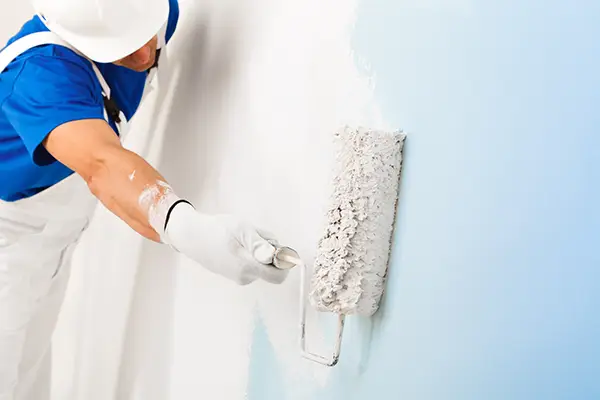
Technically, wallpaper can be painted over if it is securely adhered to the wall and in good condition. However, just because it can be done does not mean it is the ideal solution.
In our experience, painting over wallpaper is often viewed as a shortcut to avoid the mess and labor involved in removal. While that may save time upfront, it can create additional issues later if the wallpaper underneath begins to fail.
Paint only performs as well as the surface beneath it. If wallpaper starts peeling, bubbling, or separating from the wall after being painted over, the new paint will fail along with it.
When Painting Over Wallpaper May Be Acceptable
There are situations where painting over wallpaper can produce a good result when handled properly.
From what we have seen, painting over wallpaper may be an option when the wallpaper is fully adhered with no loose seams, there are no bubbles, tears, or peeling edges, the wallpaper has a smooth texture rather than a heavy pattern, the wall underneath is likely to be damaged during removal, and the homeowner understands it may complicate future renovations.
In older homes especially, removing wallpaper can sometimes damage drywall or plaster underneath. In those cases, painting over properly secured wallpaper may be the more practical option.
Why Wallpaper Removal Is Usually the Better Long Term Solution
While painting over wallpaper can work in some cases, we generally recommend removal whenever possible.
In our experience, removing wallpaper creates a cleaner, longer lasting foundation for paint. It eliminates hidden adhesion concerns and allows the paint to bond directly to the wall surface rather than a decorative layer that may deteriorate over time.
Removing wallpaper also prevents future homeowners or contractors from having to deal with multiple layers of paint and paper during future renovations.
Though removal requires more labor upfront, it often provides the best long term result.
Problems That Can Happen When Painting Over Wallpaper
From what we have seen over the years, painting over wallpaper without proper preparation can lead to several issues.
Visible Seams and Texture
Wallpaper seams often remain visible through the paint, especially in certain lighting conditions. Even after multiple coats, the pattern or texture may still show through.

Peeling and Bubbling
If any part of the wallpaper is loose, moisture from primer and paint can worsen the issue. This may cause bubbling, lifting, or peeling shortly after painting.
Adhesive Bleed Through
Some wallpaper adhesives can bleed through paint over time, creating stains or discoloration on the finished surface.
Future Removal Becomes More Difficult
Once wallpaper is painted, removing it later becomes significantly harder. The paint seals the paper, making steam and stripping solutions less effective.
Proper Steps for Painting Over Wallpaper
If wallpaper is going to be painted over, preparation is critical.
In our experience, the process should include cleaning the wallpaper thoroughly to remove dust, dirt, and residue, repairing loose seams or damaged sections, applying caulk where wallpaper edges meet trim or ceilings, priming with a stain blocking, oil based, or shellac based primer, and applying high quality paint after primer has fully cured.
Skipping primer is one of the biggest mistakes homeowners make. Primer helps seal the wallpaper, block adhesive bleed through, and create a proper bonding surface for paint.
When You Should Never Paint Over Wallpaper
There are certain situations where painting over wallpaper should be avoided entirely.
We do not recommend painting over wallpaper if the wallpaper is peeling anywhere, there are bubbles or wrinkles throughout the surface, the wallpaper has heavy texture or raised patterns, moisture damage is present behind the paper, or the wallpaper is in a bathroom or other high humidity environment.
From what we have seen, these conditions almost always result in paint failure over time.
Final Thoughts
So, can you paint over wallpaper? Yes, but success depends entirely on the condition of the wallpaper and the quality of preparation.
From our experience, painting over wallpaper can work when the paper is smooth, secure, and properly primed. However, removing wallpaper is usually the better long term investment if you want the most durable and professional looking finish.
If you are unsure whether your wallpaper should be removed or painted over, having a professional evaluate the condition of the wall can help you avoid costly mistakes and ensure the best possible result.
Need Help Deciding Whether to Remove or Paint Over Wallpaper?
Straight Edge Painting Pros provides residential and commercial painting services in the Charlotte North Carolina metro area, and the company offers free estimates. You can reach the team by phone at (704) 870-7600 or by email at straightedgepp@gmail.com.